Miami’s mix of heavy tourist traffic, tropical rain, older buildings, and busy shopping and dining areas creates conditions where slip and fall accidents happen more often than many residents expect. A wet tile, a cracked sidewalk, or a poorly lit stairwell can lead to a fall that results in real injuries, missed work, and unexpected medical bills.
If you or someone you know was hurt in a fall, it can help to understand where these accidents most often occur and what factors tend to contribute to them. This article looks at the most common locations for slip and fall accidents in Miami and explains, in general terms, how Florida premises liability law applies.
This article is for general informational purposes only. It is not legal advice, and reading it does not create an attorney-client relationship. Florida premises liability law involves specific notice and timing requirements, and laws can vary depending on the property, the city, and the circumstances of the fall.
Quick Answer
Slip and fall accidents in Miami commonly happen in grocery stores, restaurants, shopping malls, hotels, apartment and condo complexes, parking lots and garages, sidewalks, and pool decks — usually because of wet floors, uneven surfaces, poor lighting, or hazards that were not repaired or marked. Under Florida law, an injured person generally must show that the property owner knew, or reasonably should have known, about the dangerous condition. Claims are subject to Florida’s two-year statute of limitations and a modified comparative negligence rule, so documenting the scene and acting promptly can matter.
Main Highlights
- Miami’s tourism, humidity, heavy foot traffic, and mix of older and newer buildings all contribute to a higher risk of slip and fall hazards.
- Common fall locations include grocery stores, restaurants, hotels, malls, parking garages, sidewalks, apartment buildings, and pool decks.
- Florida premises liability law generally requires showing the property owner had actual or constructive knowledge of a dangerous condition.
- For incidents occurring on or after March 24, 2023, Florida’s statute of limitations for most negligence claims, including slip and falls, is generally two years from the date of the fall.
- Florida follows a modified comparative negligence system: a person found more than 50% at fault for their own injury generally cannot recover damages.
- Photos, incident reports, witness information, and medical records can all help document what happened after a fall.
Why Slip and Fall Accidents Are Common in Miami
Miami sees a steady flow of residents, tourists, and seasonal visitors moving through airports, hotels, restaurants, beaches, and shopping districts. That level of foot traffic alone increases the chances that a spilled drink, a wet floor, or a loose mat goes unnoticed before someone gets hurt.
The city’s tropical climate adds another layer of risk. Sudden afternoon rain showers are common for much of the year, and rainwater tracked into lobbies, stores, and covered walkways can create slippery conditions indoors as well as outdoors. Humidity can also contribute to mold or algae buildup on outdoor tile, stairs, and pool decks, which can become slick without warning signs.
Finally, Miami has a mix of older buildings alongside newer construction. Aging sidewalks, parking structures, and apartment complexes may have cracked pavement, worn stair treads, or outdated lighting that property owners are responsible for maintaining and repairing within a reasonable time.
Common Places Where Slip and Fall Accidents Happen in Miami
While a slip and fall can happen almost anywhere, certain types of properties tend to report these accidents more frequently because of how they are used and maintained.
Grocery Stores and Supermarkets
Spilled liquids, dropped produce, and recently mopped floors are frequent causes of falls in grocery and convenience stores. Problems tend to arise when a spill sits unattended for too long or when a store fails to place a visible warning sign in the area.
Restaurants, Bars, and Nightclubs
Kitchens, bar areas, and outdoor patio seating in Miami’s restaurant and nightlife scene often involve grease, spilled drinks, and uneven flooring transitions between indoor and outdoor spaces. Dim lighting, common in bars and nightclubs, can make it harder for guests to see a hazard before stepping on it.
Shopping Malls and Retail Stores
Large retail spaces see high volumes of shoppers, especially during tourist season and holidays. Freshly waxed or mopped floors, loose floor mats near entrances, and cluttered aisles are recurring causes of falls in these settings.
Hotels and Resorts
Miami’s hospitality industry brings large numbers of guests through lobbies, pool areas, and bathrooms daily. Wet tile near entrances after rain, slippery bathroom floors, and poorly maintained walkways around pools are common problem areas in hotels and resorts.
Apartment Complexes and Condominiums
Residents and visitors can be injured on stairs, walkways, parking areas, or in common areas like laundry rooms and lobbies. These accidents often trace back to deferred maintenance, such as a broken handrail or a cracked walkway that was reported but not repaired.
Parking Lots and Garages
Potholes, cracked pavement, uneven curbs, and inadequate lighting in parking lots and garages can all contribute to falls, particularly at night or during Miami’s frequent rain showers.
Sidewalks and Public Walkways
Cracked concrete, tree-root damage, and construction zones are common along Miami’s sidewalks. When a sidewalk is owned or maintained by a private business, standard premises liability rules generally apply. When the property involved is government-owned, different notice requirements and shorter deadlines may apply, so it is important to identify who is responsible for the property early on.
Swimming Pools and Pool Decks
Pool decks are especially prone to slip and fall accidents because water is constantly being tracked onto tile or concrete. Surfaces that are not textured or slip-resistant, combined with Miami’s year-round pool use, make this a recurring hazard at hotels, apartment complexes, and private clubs.
Office Buildings and Workplaces
Wet entryways after rain, worn carpet edges, and cluttered stairwells can lead to falls in office buildings. Depending on whether the injured person is an employee or a visitor, a fall at a workplace may involve workers’ compensation rules rather than, or in addition to, a standard premises liability claim.
What Typically Causes These Accidents
Across nearly all of the locations above, a small number of recurring hazards tend to be involved:
- Wet or slippery floors from rain, spills, or recent cleaning
- Uneven or cracked walking surfaces, including sidewalks and parking lots
- Poor lighting in stairwells, garages, or hallways
- Loose mats, rugs, or transition strips between flooring types
- Debris or clutter left in walkways
- Broken or missing handrails on stairs and ramps
- Missing or inadequate warning signs near a known hazard
Legal Rights After a Slip and Fall in Miami
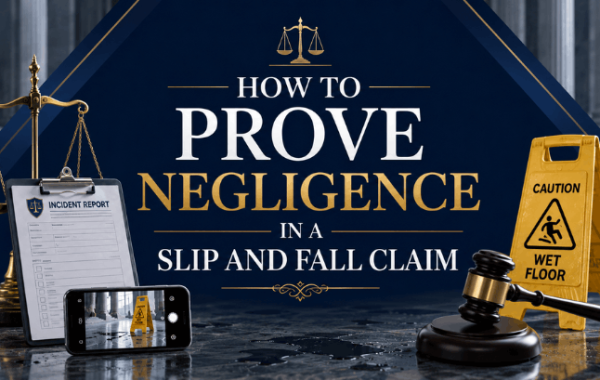
Florida premises liability law generally requires an injured person to show that a dangerous condition existed and that the property owner or occupier knew about it, or reasonably should have known about it, before the fall. This is often described as actual or constructive notice, and it is set out in Florida Statute section 768.0755 for cases involving transitory foreign substances, such as spilled liquids in a business. Understanding how to prove negligence in a slip and fall claim can help clarify what this notice requirement generally involves.
The type of visitor also matters under Florida law. Property owners generally owe the highest duty of care to invitees (such as customers or tenants), a lesser duty to licensees (such as social guests), and only a limited duty to trespassers. The specific duty owed can affect how a claim is evaluated.
Florida also follows a modified comparative negligence system. Under Florida Statute section 768.81, a person found to be more than 50% at fault for their own injury generally cannot recover damages, while a person found 50% or less at fault may have their compensation reduced by their percentage of fault. If a claim moves forward, the amount of any potential recovery may relate to damages that are recovered in a personal injury case.
Deadlines matter a great deal in these cases. For incidents occurring on or after March 24, 2023, Florida generally applies a two-year statute of limitations to negligence claims, including most slip and fall cases. Missing this deadline can prevent a case from moving forward at all. Claims involving government-owned property, such as a public sidewalk or a municipal building, may involve separate notice requirements and shorter timeframes, so it is worth confirming who owns and maintains the property where the fall occurred.
Evidence That May Matter After a Fall
Because notice and causation are often central to these claims, the evidence gathered soon after a fall can matter. The evidence that helps win a slip and fall case goes into more detail, but the table below summarizes commonly useful items.
| Evidence | Why It May Help |
| Photos or video of the hazard | Shows the condition as it existed at the time of the fall |
| Incident or accident report | Creates an official record with the property owner or manager |
| Witness names and contact information | May support your account of what happened |
| Medical records | Documents the injury and links it to the fall |
| Surveillance footage | May show how long the hazard existed before the fall |
| Clothing and shoes worn | May be relevant to how the fall occurred |
Medical records deserve particular attention. The medical records matter in a personal injury claim explains how these records can help connect the fall to the injury and support the timeline of treatment.
Miami Slip and Fall Locations at a Glance
| Location | Typical Hazard | Common Cause |
| Grocery stores | Wet or sticky floors, produce debris | Spills not cleaned or marked promptly |
| Restaurants and bars | Slick floors near kitchens or bar areas | Grease, spilled drinks, poor lighting |
| Shopping malls and retail stores | Freshly mopped floors, loose mats | Missing wet-floor signage, cluttered aisles |
| Hotels and resorts | Wet lobby and bathroom tile | High guest traffic, rain tracked indoors |
| Apartment and condo complexes | Cracked walkways, broken stairs | Deferred maintenance by property management |
| Parking lots and garages | Potholes, uneven pavement, poor lighting | Lack of repair or inadequate lighting |
| Sidewalks and walkways | Cracked concrete, tree-root damage | Age of infrastructure, construction zones |
| Pool decks | Wet, non-textured tile | Water splashed onto smooth surfaces |
| Office buildings | Wet entryways, loose carpet edges | Rain tracked in, worn flooring |
Common Mistakes to Avoid After a Slip and Fall
- Not reporting the fall to the property owner, manager, or landlord
- Leaving the scene before taking photos or getting witness contact information
- Delaying medical treatment, which can make it harder to connect the injury to the fall
- Posting about the accident on social media before understanding how it may affect a potential claim
- Giving a recorded statement to an insurance company without understanding your rights
- Waiting too long to look into the applicable statute of limitations
When to Speak With a Lawyer
Not every fall requires legal action, but it is generally worth speaking with a licensed Florida attorney if the injury required medical treatment, if liability is disputed, or if an insurance company has already made contact. An attorney can help evaluate the notice issue, the applicable deadlines, and what happens during personal injury settlement negotiations if a claim is pursued.
Timing can also be a practical concern. Readers weighing whether to pursue a claim sometimes want a general sense of how long a personal injury case can take before deciding on next steps, though the actual timeline will depend on the facts of the case, the court, and whether the parties reach a resolution without litigation.
Practical Next Steps After a Slip and Fall
- Seek medical attention, even if the injury seems minor at first.
- Report the fall to the property owner, manager, or landlord and request a written incident report.
- Photograph the hazard, the surrounding area, and any visible injuries.
- Collect names and contact information for any witnesses.
- Keep receipts, medical records, and any correspondence related to the fall.
- Consult a licensed Florida attorney before speaking with an insurance adjuster or signing any documents.
Injured in a Slip and Fall in Miami? Get Legal Help Today
Slip and fall accidents in Miami tend to happen in predictable places, from grocery stores and restaurants to hotel pool decks and apartment stairwells, and they usually trace back to a hazard that went unaddressed for too long. Recognizing these common locations and hazard types can help you understand what happened after a fall and what evidence might matter going forward.
If you were hurt in a slip and fall accident in Miami, US Legal Journal recommends seeking medical care, documenting the scene as thoroughly as possible, and speaking with a licensed Florida attorney who can review the facts of your case and explain your options under state law.
People Also Ask
How long do I have to file a slip and fall claim in Miami?
For falls occurring on or after March 24, 2023, Florida generally applies a two-year statute of limitations to most negligence claims, including slip and fall cases. Claims involving government-owned property may involve different notice requirements. Because deadlines can vary by situation, it is best to confirm the applicable timeframe with an attorney.
Can I still recover damages if I was partly at fault for the fall?
Possibly. Florida uses a modified comparative negligence system, meaning a person found 50% or less at fault may still recover compensation, reduced by their percentage of fault. A person found more than 50% at fault generally cannot recover damages under current Florida law.
Does it matter if the property is government-owned?
Yes. Claims involving city, county, or state-owned property, such as a public sidewalk, may involve different notice requirements and shorter deadlines than claims against private property owners. Identifying who owns and maintains the property is an important early step.
What if I fell at a friend’s home instead of a business?
The legal duty a property owner owes can depend on whether the injured person was an invitee, a licensee, or a trespasser. A social guest at a private home is generally treated differently than a paying customer at a business, which can affect how a claim is evaluated.
Do I need a lawyer for a slip and fall claim?
Not every situation requires legal representation, but slip and fall claims often involve disputes over notice, fault percentages, and evidence. Speaking with a licensed attorney can help clarify your options, especially if an injury required medical treatment or if liability is contested.
FAQs
What is premises liability?
Premises liability is the general area of law that addresses when a property owner or occupier can be held responsible for injuries that happen on their property due to a dangerous condition they knew about, or reasonably should have known about, and failed to address.
Is Miami slip and fall law different from the law in other Florida cities?
The underlying Florida statutes apply statewide, so the core legal standards are generally the same across Florida. However, local ordinances, court procedures, and property types common to a particular city, such as Miami’s tourism and hospitality industry, can affect how a specific case unfolds.
What if the property has no video footage of my fall?
A lack of video footage does not automatically prevent a claim. Other evidence, such as an incident report, witness statements, photographs, and maintenance records, may still help establish what happened and whether the property owner had notice of the hazard.
Can rain or weather conditions affect a slip and fall claim?
Weather can be relevant, but Florida property owners generally still have a duty to address foreseeable hazards, such as water tracked indoors during rain. Whether a specific weather-related fall supports a claim depends on the facts, including how quickly the property owner responded to the condition.
What compensation might be available after a slip and fall?
Depending on the facts, a claim may involve medical expenses, lost wages, and other damages recognized under Florida law. No outcome or amount can be guaranteed, and the specifics depend on the injury, liability, and applicable comparative negligence rules.
Where can I file a slip and fall claim in Miami?
Slip and fall lawsuits are typically filed in the Florida civil court system, often in the county where the accident occurred, such as Miami-Dade County. An attorney or the relevant clerk of court can provide guidance on filing requirements and procedures.
Legal Disclaimer
This article is for general informational purposes only and does not provide legal advice. Laws and procedures may vary by state, city, court, agency, or individual situation. For advice about your specific legal issue, speak with a qualified attorney or the appropriate government agency.