Dallas roads carry an enormous amount of daily traffic, and with that traffic comes risk. If you were recently involved in a crash or you simply want to understand why collisions happen so often on highways like I-635, I-35E, and US-75 you are probably looking for clear, honest information rather than legal jargon.
This guide breaks down the most common causes of car accidents in Dallas, how these crashes typically happen, what evidence matters, and when it may be time to speak with a qualified attorney. It is written for everyday readers, not legal professionals, and it is meant to help you understand the bigger picture before you take your next step.
Every crash is different, and Texas law can be complex. Nothing here is a substitute for advice from a licensed attorney who has reviewed the facts of your specific situation.
Quick Answer
The most common causes of car accidents in Dallas include speeding, distracted driving (especially phone use), driving under the influence, failing to yield the right of way, unsafe lane changes, and running red lights at busy intersections. Heavy traffic congestion and outdated intersection design in high-growth areas also contribute. Speed-related crashes and distraction remain the top two factors reported by the Texas Department of Transportation year after year.
Main Highlights
- Speeding and failure to control speed are consistently the leading contributing factors in Dallas-area crashes, including many fatal ones.
- Distracted driving, particularly cell phone use, remains one of the top causes of collisions on Dallas roads.
- Driving under the influence of alcohol or drugs continues to be a major factor in serious and fatal Dallas crashes.
- Failure to yield the right of way and unsafe lane changes are common causes of intersection and highway collisions.
- Dallas County reports tens of thousands of crashes each year, a disproportionate share compared to its population.
- Texas follows a modified comparative negligence rule, meaning how a crash happened can directly affect what compensation a person can recover.
Why Car Accidents Happen So Often in Dallas
Dallas is one of the fastest-growing metro areas in Texas, and its roadway system has struggled to keep pace with population growth, rideshare traffic, and commercial delivery volume. According to TxDOT crash data, Dallas County has recorded tens of thousands of motor vehicle crashes annually in recent years, and the county consistently accounts for a share of statewide crashes that is larger than its share of the state’s population.
Several factors combine to create this pattern:
- High daily traffic volume on major freeways such as I-635 (LBJ Freeway), I-35E, I-30, and US-75
- Complex interchanges and merging points that were not designed for current traffic levels
- A mix of commuters, commercial trucks, and rideshare or delivery vehicles making frequent stops
- Rapid urban growth outpacing intersection redesigns in some areas
Understanding these underlying conditions helps explain why certain types of crashes keep appearing in local crash data year after year.
The Most Common Causes of Car Accidents in Dallas
1. Speeding and Failure to Control Speed
Speed-related driving is repeatedly identified as the top contributing factor in Texas crash data, including in the Dallas area. This covers driving too fast for road or weather conditions as well as exceeding the posted speed limit. Higher speeds reduce a driver’s reaction time and increase the force of impact, which is why speed-related crashes are more likely to result in serious injury or death compared to lower-speed collisions.
Speeding is particularly common on Dallas freeways during periods of lighter traffic, when drivers may feel a false sense of safety despite reduced reaction windows.
2. Distracted Driving
Distracted driving — including texting, using navigation apps, eating, or talking with passengers — remains one of the most frequently reported causes of Dallas crashes. A driver glancing at a phone for even a few seconds at highway speed can travel the length of a football field without watching the road.
Distraction-related crashes are especially common at busy intersections and during stop-and-go congestion, where drivers may assume slower speeds reduce risk.
3. Driving Under the Influence
Impaired driving, whether from alcohol or drugs, continues to be a leading factor in fatal Dallas crashes. Impairment slows reaction time, affects judgment, and reduces a driver’s ability to control a vehicle safely. Crashes involving impaired drivers tend to cluster around holidays and weekends, when traffic volume and impaired driving both increase.
4. Failure to Yield the Right of Way
Failing to yield — especially when making a left turn across oncoming traffic — is a common cause of serious intersection crashes in Dallas. These crashes often result in T-bone or side-impact collisions, which carry a higher risk of injury than typical rear-end crashes.
5. Unsafe Lane Changes and Failure to Stay in a Single Lane
Dallas freeways see heavy volumes of lane-changing traffic, particularly near merge points and highway interchanges. Sudden or unsafe lane changes, along with drifting out of a lane, are a frequent cause of sideswipe and multi-vehicle crashes on corridors like I-635 and I-35E.
6. Running Red Lights and Stop Signs
Intersections with heavy congestion, such as those along I-635 and Skillman Street, see a disproportionate number of crashes tied to drivers running red lights or misjudging yellow lights. These crashes frequently involve high-speed impacts and serious injury.
7. Following Too Closely
Tailgating reduces the space a driver has to stop safely, which becomes especially dangerous during Dallas’s frequent stop-and-go congestion. Rear-end collisions caused by following too closely are among the most common crash types reported in the metro area.
8. Poor Weather and Road Conditions
While less frequent than driver-behavior causes, sudden rain, fog, or road hazards can contribute to crashes, particularly when combined with speeding or following too closely. Texas weather can shift quickly, and drivers who do not adjust their speed accordingly face a higher risk of losing control.
Common Types of Dallas Car Accidents
| Crash Type | Typical Cause | Common Location |
| Rear-end collision | Following too closely, distracted driving | Congested freeways, stoplights |
| T-bone (side-impact) | Failure to yield, red-light running | Busy intersections |
| Sideswipe | Unsafe lane changes | Freeway merges, interchanges |
| Single-vehicle crash | Speeding, impaired driving, road hazards | Highway ramps, curves |
| Multi-vehicle pileup | Speeding, tailgating, weather | High-traffic freeways |
Evidence That Can Help Establish What Happened
After a crash, documenting what happened is important, both for insurance purposes and for any potential legal claim. Common types of evidence include:
- The police crash report filed at the scene
- Photos or video of vehicle damage, road conditions, and traffic signals
- Contact information for witnesses
- Dashcam or nearby surveillance footage, if available
- Medical records documenting any injuries
- Vehicle data, such as event data recorder (“black box”) information, in some cases
For a deeper look at how fault is typically established, our guide on evidence that proves fault after a car accident walks through this topic in more detail.
How Fault and Compensation Work Under Texas Law
Texas follows a modified comparative negligence rule, sometimes called the “51% rule.” Under this system, an injured person can generally recover compensation as long as they are found to be 50% or less at fault for the crash. If a person is found more than 50% responsible, Texas law generally bars them from recovering damages. When a person does recover, their compensation is typically reduced by their assigned percentage of fault.
Because fault percentages can significantly affect the outcome of a claim, how a crash is documented and investigated matters. This is one reason the cause of the crash — speeding, distraction, failure to yield, and so on — becomes such an important part of any injury claim.
Texas law also generally sets a two-year statute of limitations for filing a personal injury lawsuit related to a car accident, running from the date of the crash in most cases. This deadline can vary based on individual circumstances, so it’s important not to rely on general information alone.
Common Injuries Linked to These Crash Types
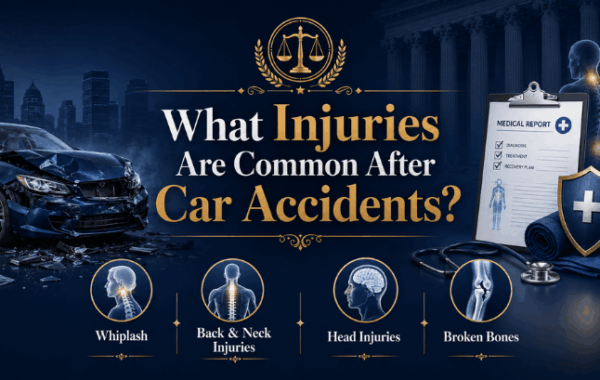
The type of crash often influences the type of injury involved. High-speed and T-bone collisions, for example, tend to produce more severe injuries than low-speed rear-end crashes. To better understand the injuries frequently associated with these accident types, see our related article on common injuries after car accidents.
Mistakes to Avoid After a Dallas Car Accident
- Leaving the scene before exchanging information or contacting police
- Failing to seek medical attention, even when injuries seem minor at first
- Giving a recorded statement to an insurance adjuster before understanding your rights
- Posting details or photos of the crash on social media
- Waiting too long to gather evidence or speak with an attorney, since evidence like dashcam footage and skid marks can disappear quickly
When to Speak With an Attorney
Not every crash requires legal representation, but it may be worth speaking with a qualified attorney if:
- You suffered a significant injury or ongoing medical treatment
- Fault is disputed between drivers
- The insurance company is offering a low settlement or denying your claim
- A commercial vehicle, rideshare driver, or multiple vehicles were involved
- You are unsure how comparative fault might apply to your situation
If you’re already at the stage of evaluating an offer, our guides on calculation of personal injury settlements can help you understand the general process.
Practical Next Steps After a Crash
- Confirm everyone involved is safe and call 911 if needed
- Exchange information and request a police report
- Photograph the scene, vehicles, and any visible injuries
- Seek medical evaluation, even for injuries that seem minor
- Keep records of medical visits, repair estimates, and missed work
- Speak with a licensed Texas attorney before accepting a settlement offer
Injured in a Dallas Car Accident? Get Legal Help Today
Understanding why car accidents happen in Dallas is the first step — knowing what to do next matters just as much. If you were recently involved in a crash and have questions about evidence, fault, or your next move, explore more legal guides and resources at USLegalJournal, or speak with a licensed Texas attorney about your specific situation.
FAQs
How long do I have to file a car accident lawsuit in Texas?
Texas law generally allows two years from the date of the accident to file a personal injury lawsuit, though exceptions may apply depending on the circumstances. An attorney can confirm how this applies to your situation.
Is Dallas a high-risk city for car accidents?
Dallas County reports a disproportionately high number of crashes relative to its population share, driven largely by heavy traffic volume, freeway congestion, and driver behavior factors like speeding and distraction.
What should I do if the other driver was clearly at fault?
Document the scene, obtain a police report, and avoid making statements about fault to insurance adjusters until you understand your rights. Clear fault does not guarantee a smooth claims process.
Do red-light cameras affect Dallas accident claims?
Camera footage, where available, can sometimes serve as evidence in a claim, but availability and admissibility vary by location and situation. This is best discussed with an attorney familiar with local procedures.
Can weather-related crashes still involve driver fault?
Yes. Even in poor weather, drivers are generally expected to adjust their speed and following distance to conditions, so fault can still apply if a driver failed to do so reasonably.
People Also Ask
What is the leading cause of car accidents in Dallas?
Speeding and failure to control vehicle speed are consistently reported as the leading contributing factors in Dallas-area crashes, according to Texas Department of Transportation crash data, followed closely by distracted driving.
Are most Dallas car accidents caused by driver error?
Yes. The large majority of crashes in Dallas stem from driver behavior, such as speeding, distraction, impairment, or failing to yield, rather than mechanical failure or road defects alone.
Which Dallas roads have the most crashes?
High-traffic corridors such as I-635 (LBJ Freeway), I-35E, and busy intersections near major crossroads tend to see a disproportionate share of crashes due to traffic volume and complex merging patterns.
Does weather cause many Dallas car accidents?
Weather is a less common standalone cause compared to driver behavior, but sudden rain or fog can increase risk, especially when combined with speeding or following too closely.
Can I still recover compensation if I was partly at fault for a Dallas crash?
Under Texas’s modified comparative negligence rule, you may still be able to recover compensation if you are found 50% or less at fault, though your recovery would typically be reduced by your percentage of fault.
Legal Disclaimer
This article is for general informational purposes only and does not provide legal advice. Laws and procedures may vary by state, city, court, agency, or individual situation. For advice about your specific legal issue, speak with a qualified attorney or the appropriate government agency.