If you were hurt because of someone else’s carelessness, one of the first questions you probably have is simple: how much is my personal injury claim worth? It is a fair question, and unfortunately there is no single number that applies to every case.
Claim value depends on the type and severity of your injuries, your medical treatment, your lost income, and the specific laws of the state where the accident happened. Two people with similar injuries can end up with very different outcomes depending on the evidence, the insurance coverage involved, and how the claim is handled.
This article explains, in plain language, the main factors that go into valuing a personal injury claim, what evidence matters most, and when it may help to speak with a licensed attorney about your specific situation.
Quick Answer
There is no fixed formula for personal injury claim value. Generally, value is based on your economic damages (medical bills, lost wages, future care costs) plus non-economic damages (pain and suffering, emotional distress), adjusted for fault, injury severity, and state law. Insurance adjusters and courts weigh evidence, not guesswork, so documentation matters more than any online calculator.
Main Highlights
- Claim value usually combines economic damages (bills, lost income) and non-economic damages (pain and suffering).
- Fault matters. Many states reduce or bar compensation if you share blame for the accident.
- Strong medical documentation and prompt treatment tend to support a stronger claim.
- Insurance policy limits can cap how much is actually available to pay a claim, regardless of case value.
- State laws, including damage caps and filing deadlines, can significantly change what a claim is worth.
- Early settlement offers are often lower than what a claim may ultimately be worth once full damages are known.
What Determines the Value of a Personal Injury Claim?
Insurance companies, attorneys, and courts generally look at two broad categories of loss when they evaluate a personal injury claim.
Economic Damages
Economic damages are the financial losses that can be documented with bills, receipts, and pay records. These typically include:
- Emergency room and hospital bills
- Follow-up medical treatment, physical therapy, and prescriptions
- Lost wages during recovery
- Reduced future earning capacity, if the injury affects your ability to work
- Property damage, such as vehicle repair costs
- Out-of-pocket expenses like transportation to appointments or home modifications
Because economic damages are tied to specific numbers, they are usually the easiest part of a claim to calculate and support with paperwork.
Non-Economic Damages
Non-economic damages cover losses that do not come with a receipt but still affect your life. These may include pain and suffering, emotional distress, loss of enjoyment of life, and in some cases loss of consortium for a spouse or family member. A full breakdown of what can and cannot typically be recovered is covered in this guide on damages you can recover in a personal injury case.
Because non-economic losses are subjective, insurers and attorneys often consider factors such as the severity of the injury, length of recovery, whether the injury is permanent, and how daily life and relationships have been affected.
Who Can File a Personal Injury Claim?
Generally, a person who was injured because of another party’s negligence, recklessness, or intentional conduct may be able to file a personal injury claim. This can include people hurt in car accidents, slip and fall incidents, workplace accidents (subject to workers’ compensation rules in many states), defective product injuries, and other situations where someone else’s conduct contributed to the harm. Eligibility rules and deadlines vary by state, so it is important not to assume your situation matches someone else’s case.
How Insurance Companies and Courts Evaluate Claim Value
Insurance adjusters typically review medical records, bills, wage documentation, accident reports, and witness statements before making an offer. They also consider how a judge or jury might view the evidence if the case went to trial, since that risk influences what an insurer is willing to pay to resolve a claim early.
Attorneys often use a similar approach, reviewing comparable settlements and verdicts along with the specific facts of the case. Understanding personal injury settlement calculations after an accident can help you set realistic expectations before you receive or respond to an offer. It is worth noting that an initial offer from an insurance company is a starting point for negotiation, not necessarily a final or fair number.
Evidence That Can Affect Your Claim’s Value
The strength of your claim often comes down to documentation. Common categories of supporting evidence include:
- Police or incident reports
- Photos and video of the scene, vehicle damage, or visible injuries
- Witness contact information and statements
- Complete and consistent medical treatment records
- Pay stubs or employer letters confirming missed work
- Receipts for out-of-pocket expenses
Consistent, well-organized medical records for a personal injury claim are especially important, since gaps in treatment or missed appointments can give an insurer a reason to argue that your injuries were not serious or were unrelated to the accident.
Common Factors That Increase or Decrease Claim Value
Several practical factors tend to move claim value up or down, including:
- Clear liability versus disputed fault
- Severity and permanence of the injury
- Total medical costs and length of treatment
- Impact on the ability to work now and in the future
- Available insurance coverage or policy limits
- Whether the injured person contributed to the accident
- Quality and consistency of documentation
State Laws That Affect Claim Value
Personal injury law is largely governed at the state level, which means the same set of facts can produce different outcomes depending on where the accident happened. Some of the most important state-specific rules include:
- Comparative or contributory negligence rules, which determine how compensation is reduced (or barred entirely) if you are partly at fault
- Statutes of limitations, which set strict deadlines for filing a lawsuit
- Damage caps, which some states place on certain types of non-economic or punitive damages
- Insurance requirements, which affect how much coverage is typically available after a crash
Because these rules vary so widely, it is always a good idea to check your state’s specific laws or speak with a local attorney rather than relying on generalized information.
Personal Injury Case Timeline and How It Affects Value
Claim value is not fixed at the moment of the accident. It can change as your personal injury case timeline unfolds, particularly as your medical treatment progresses and doctors are able to determine whether your injuries are temporary or permanent. Settling too early, before the full extent of an injury is known, can sometimes mean accepting less than the claim may ultimately be worth. This is one reason attorneys often recommend waiting until you reach maximum medical improvement before finalizing a settlement.
Mistakes That Can Lower Your Claim’s Value
Certain missteps after an accident can unintentionally reduce what a claim is worth:
- Delaying medical treatment or skipping follow-up appointments
- Giving a recorded statement to an insurance adjuster without understanding your rights
- Posting about the accident or your recovery on social media
- Accepting a quick settlement before understanding the full cost of your injuries
- Missing your state’s filing deadline
When to Speak With a Personal Injury Attorney
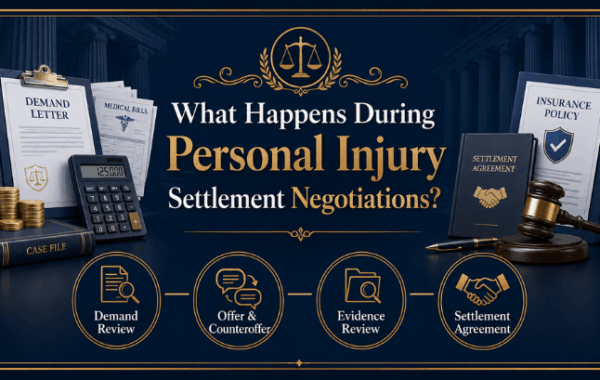
Not every situation requires a lawyer, but it is generally worth speaking with one if your injuries are serious, fault is disputed, an insurer denies or undervalues your claim, or you are unsure how state law applies to your situation. Many personal injury attorneys offer free initial consultations, and understanding what happens during personal injury settlement negotiations can help you decide whether handling a claim on your own makes sense or whether legal guidance would be useful.
Practical Next Steps After an Injury
If you were recently injured, consider the following general steps:
- Seek medical attention and follow your provider’s treatment plan
- Report the incident to the appropriate party or authority
- Keep copies of all bills, records, and correspondence
- Avoid giving detailed statements to an insurer before understanding your rights
- Note your state’s filing deadline for a personal injury lawsuit
- Consult a licensed attorney if your case is serious, disputed, or complex
Damages Type vs. What It Typically Covers
| Damage Type | What It May Cover | How It Is Usually Supported |
|---|---|---|
| Medical Expenses | ER visits, surgery, physical therapy, medication | Medical bills and treatment records |
| Lost Wages | Missed work during recovery | Pay stubs, employer statements |
| Future Earning Capacity | Reduced ability to work long-term | Vocational or medical expert opinions |
| Property Damage | Vehicle or personal property repair/replacement | Repair estimates, receipts |
| Pain and Suffering | Physical pain and emotional distress | Medical records, personal testimony |
| Loss of Enjoyment of Life | Inability to do previously enjoyed activities | Personal and witness testimony |
| Loss of Consortium | Impact on spousal relationship | Spouse’s testimony, case-specific evidence |
Understand What Your Personal Injury Claim May Be Worth
There is no simple number that answers how much a personal injury claim is worth, because value depends on the specific facts of the accident, the severity of the injuries, the strength of the evidence, and the laws of the state where it happened. Economic losses like medical bills and lost wages provide a starting point, while non-economic factors like pain and suffering often require a more careful, fact-based evaluation.
For more general legal explainers and state-specific updates, US Legal Journal continues to cover topics that help readers understand their rights before they speak with an attorney.
If you are trying to understand what your personal injury claim might be worth, the most reliable next step is to gather thorough documentation and speak with a qualified attorney or your state bar’s lawyer referral service, who can review your specific situation and explain how local laws may apply.
People Also Ask
Is there a standard formula for calculating personal injury claim value?
No. While some insurers and attorneys reference multiplier methods for pain and suffering, there is no universal formula. Value depends on the specific facts, evidence, injury severity, and applicable state law in each case, which is why similar-looking accidents can result in very different outcomes.
Does fault affect how much my claim is worth?
Yes. Most states apply some form of comparative or contributory negligence rule. If you are found partly responsible for the accident, your compensation may be reduced by your percentage of fault, and in some states, significant fault can bar recovery entirely.
Can I still get compensation if I had a pre-existing condition?
Often, yes. Many states allow recovery for the aggravation of a pre-existing condition, though the claim usually needs clear medical evidence separating the new harm from the prior condition. This is a fact-specific issue best reviewed with an attorney.
Will my claim be worth more if I hire a lawyer?
This varies by case and cannot be guaranteed. Attorneys can help gather evidence, handle negotiations, and identify damages a person might otherwise overlook, but outcomes depend on the specific facts and applicable law in each situation.
How long does it take to find out what a claim is worth?
It depends on the injury. Claims are often not fully valued until medical treatment is complete or the long-term impact of the injury is clear, which can take weeks to more than a year for serious injuries.
Frequently Asked Questions
What is the difference between economic and non-economic damages?
Economic damages are documented financial losses, such as medical bills and lost wages. Non-economic damages cover intangible losses like pain and suffering or emotional distress, which do not have a fixed dollar value and are evaluated more subjectively.
Do all states handle personal injury claims the same way?
No. Filing deadlines, fault rules, and damage caps vary significantly from state to state. It is important to check your specific state’s laws or speak with a local attorney rather than assuming rules from one state apply elsewhere.
Can I negotiate directly with an insurance company without a lawyer?
Yes, this is legally possible, and some people choose to handle smaller claims on their own. However, insurers are not obligated to advocate for your interests, so it helps to understand the process and your rights before agreeing to any offer.
Does a police report affect my claim’s value?
A police or incident report can support your account of what happened and help establish fault, which is often central to claim value. It is one piece of evidence among several that adjusters and courts may consider.
What if the insurance company denies my claim?
A denial does not necessarily mean the claim has no value. You may be able to appeal, provide additional documentation, or consult an attorney to review the denial and discuss possible next steps, depending on your state and policy.
Is a settlement the same as going to trial?
No. A settlement is a negotiated resolution outside of court, while a trial involves a judge or jury deciding the outcome. Most personal injury claims are resolved through settlement, but understanding both options can help you make informed decisions.
Legal Disclaimer
This article is for general informational purposes only and does not provide legal advice. Laws and procedures may vary by state, city, court, agency, or individual situation. For advice about your specific legal issue, speak with a qualified attorney or the appropriate government agency.